
Creating a beautiful home interior involves more than choosing attractive paint colors for individual rooms. The colors throughout a home should complement one another, creating a sense of connection as people move from one space to the next. From the living room and kitchen to bedrooms and hallways, a cohesive color palette helps the entire home feel thoughtfully designed rather than pieced together.
Working with an experienced interior painter in Corvallis, OR can help homeowners select colors that balance personal style, natural light, architectural features, and the overall atmosphere they want to achieve. With the right approach to color coordination, interior painting can transform separate rooms into a harmonious living environment.
Start With a Whole-Home Color Scheme
Before selecting paint colors for individual rooms, consider the home as a whole. A consistent color scheme provides a foundation for creating visual harmony while allowing each room to maintain its own personality.
An interior painter in Corvallis, OR can help homeowners identify a central palette that reflects their preferences and works with the home’s existing finishes. This might include warm neutrals, cool grays, earthy greens, soft blues, or a combination of complementary shades.
Choose a Base Color That Connects Your Spaces
A base color acts as the anchor for the overall palette. Neutral shades such as warm white, beige, greige, and soft gray are popular choices because they coordinate with a wide range of furniture styles and accent colors. Using a consistent neutral in hallways, shared living areas, or connected spaces creates a natural transition between rooms.
However, neutral does not have to mean plain. The right shade can introduce warmth, brightness, or subtle sophistication without competing with other design elements. An interior painter in Corvallis, OR can help narrow down options based on the home’s lighting, flooring, and existing furnishings.
Establish a Consistent Color Direction
A cohesive palette does not require every room to have the same paint color. Instead, the colors should share a common direction, whether that means warm undertones, cool undertones, or a coordinated combination of related shades.
For example, a home might feature warm white in the main living area, muted sage in the dining room, and a soft beige in the bedroom. These colors can feel connected when their undertones complement one another. An interior painter in Corvallis, OR can help homeowners create this balance without making the interior feel repetitive.
Consider How Natural Light Affects Paint Colors
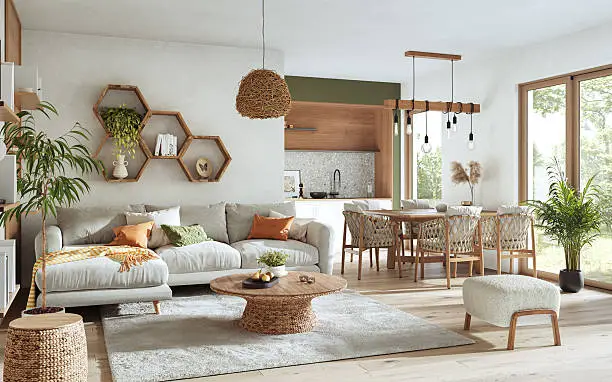
Lighting plays a significant role in how paint appears on interior walls. A color that looks soft and inviting in a sunlit room may appear darker or cooler in a space with limited natural light. Understanding these differences is essential when developing a whole-home palette.
Evaluate Each Room’s Lighting Conditions
North-facing rooms often receive cooler, indirect light, while south-facing rooms generally receive warmer, more consistent sunlight. East-facing spaces tend to receive brighter morning light, whereas west-facing rooms can become warmer in the afternoon and evening.
These variations can affect how the same paint color looks from room to room. An interior painter in Corvallis, OR can help homeowners evaluate these conditions and choose shades that maintain the desired atmosphere throughout the day.
Corvallis homes also experience changing daylight throughout the seasons, making it important to consider how paint colors look under different lighting conditions rather than relying on a single viewing.
Pay Attention to Undertones
Undertones are the subtle colors beneath a paint shade’s main appearance. A white might have yellow, pink, blue, or green undertones, while a gray can lean warm or cool. When neighboring rooms have competing undertones, the transition between them may feel less harmonious.
An interior painter in Corvallis, OR can help identify undertones and compare colors alongside existing flooring, countertops, cabinetry, and trim. This step is especially valuable in open-concept homes, where multiple colors may be visible simultaneously.
Create Flow Between Connected Rooms
The relationship between adjacent rooms is one of the most important considerations in home color coordination. When spaces connect through open doorways, shared hallways, or open-concept layouts, their paint colors should work together visually.
Use Related Shades Instead of Identical Colors
One effective way to create continuity is to use different shades from the same color family. A light beige in the living room, a slightly deeper tan in the dining area, and a warm brown accent in a study can establish variety without disrupting the overall design.
This approach allows homeowners to give each space a distinct character while maintaining a consistent visual theme. An interior painter in Corvallis, OR can recommend color combinations that create subtle transitions and prevent adjacent rooms from feeling disconnected.
Coordinate Trim, Doors, and Ceilings
Walls are only one part of an interior color scheme. Trim, doors, ceilings, and other architectural details also influence how a room looks and how it connects with neighboring spaces.
Using a consistent trim color throughout the home can create a clean, unified appearance. White trim can provide contrast against deeper wall colors, while softer off-white shades can complement warm, understated palettes. An interior painter in Corvallis, OR can help determine which combinations best suit the home’s architecture and preferred design style.
Balance Statement Colors With Versatile Neutrals
Accent colors can introduce personality and visual interest, but they work best when balanced with more versatile shades. Bold colors do not need to dominate an entire home to make an impression.
Introduce Color Through Carefully Selected Rooms
A deep green dining room, navy home office, or muted terracotta bedroom can add character without overwhelming the overall palette. The key is to connect these statement colors to the rest of the home through complementary neutrals, furnishings, or architectural details.
An interior painter in Corvallis, OR can help homeowners decide where stronger colors will have the greatest impact and where softer shades will create a better sense of balance.
Coordinate Paint With Existing Finishes
Paint colors should complement the materials already present in the home. Wood flooring, stone countertops, tile, cabinetry, and furniture can all influence which shades look most natural in a space.
For example, honey-toned wood may pair well with warm whites and earthy greens, while cooler stone surfaces might complement soft grays and muted blues. A knowledgeable interior painter in Corvallis, OR can account for these fixed elements when helping homeowners develop a palette that feels intentional.
Choose Bullfrog Painting: Your Trusted Interior Painter in Corvallis, OR
Bring harmony to every room with Bullfrog Painting. From selecting complementary colors to achieving smooth, consistent finishes, our team helps homeowners create interiors that feel connected, inviting, and true to their style.
Schedule a call today to give your home a beautifully coordinated finish and consistent application throughout.